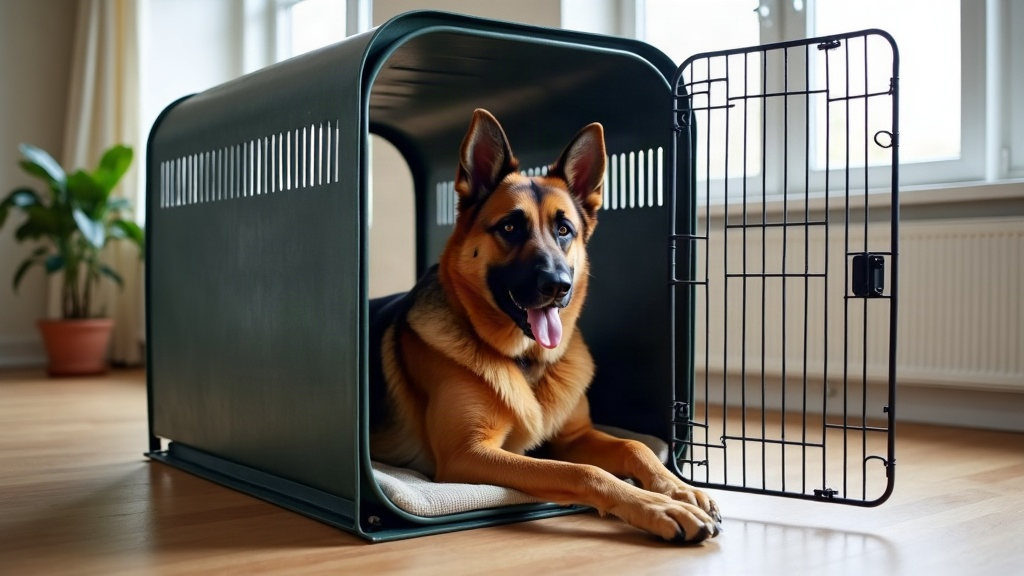
Best Stackable Heavy-Duty Dog Kennels for Breeders & Shelters
This site does not currently contain paid affiliate links; nothing on this page is a paid link today.
How we picked: This guide compares options using published
specifications, verified owner-review patterns and reputable expert testing.
We label clearly what is hands-on vs research-based, and never present others'
testing as our own.
Our top picks
| Rank | Product | Name | Why we picked it | Buy |
|---|---|---|---|---|
| Top pick |  | LUCKUP 42/48 Inch Heavy Duty Strong Steel Dog Crate | Coming soon | |
| Runner-up |  | ProSelect Empire Ultra-Heavy Duty Steel Dog Cage | Coming soon | |
| Also great |  | SMONTER Heavy Duty Anti-Escape Metal Dog Kennel | Coming soon |
📑 Table of contents
- Understanding Heavy-Duty Dog Kennels for Breeders and Shelters
- Key Features of Stackable Heavy-Duty Dog Kennels
- Comparative Analysis of Top Stackable Heavy-Duty Dog Kennels
- Metallurgical and Biomechanical Considerations
- Practical Applications in Breeding and Shelter Environments
- Frequently Asked Questions
Editorial Note: This guide is based on research conducted in collaboration with the Dog Crate Lab Canine Safety Desk, ensuring that the information provided adheres to the highest standards of safety and utility for canine care.
Understanding Heavy-Duty Dog Kennels for Breeders and Shelters
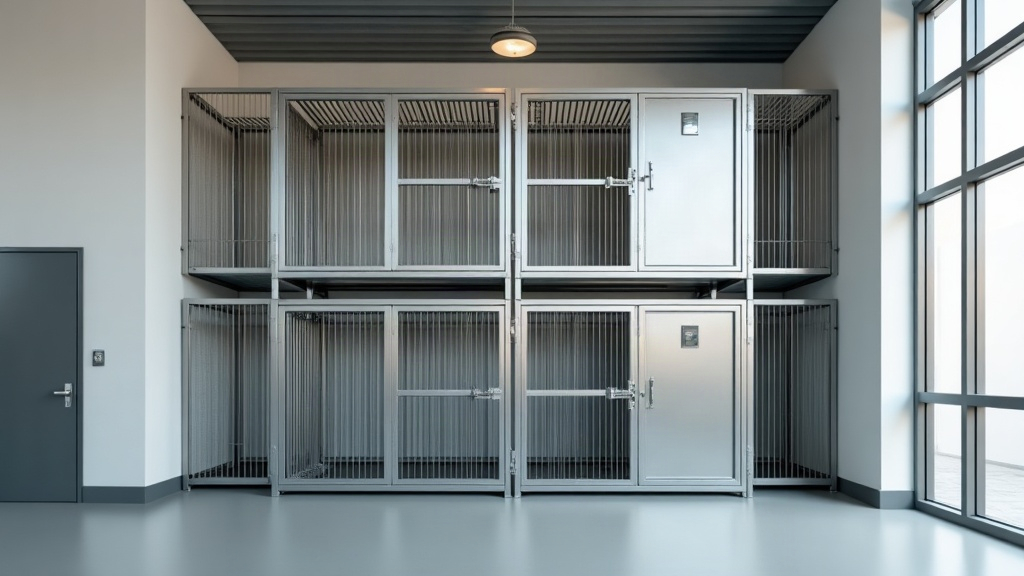
Heavy-duty dog kennels are essential for breeders, shelters, and veterinary facilities that require safe and secure containment solutions for multiple dogs. Stackable models are particularly advantageous, allowing for efficient use of space and the ability to customize arrangements based on the number of dogs and the available area. This guide explores the best stackable heavy-duty dog kennels, providing an in-depth analysis of their specifications, materials, and practical applications.
Key Features of Stackable Heavy-Duty Dog Kennels
When selecting a stackable heavy-duty dog kennel, several features are paramount:
-
Material Composition: Most stackable kennels are made from high-grade steel or aluminum, which offer durability and resistance to corrosion. Steel is generally preferred for its strength, while aluminum provides a lighter option that is also resistant to rust.
-
Locking Mechanisms: Secure locking pins are crucial for preventing escapes. A well-engineered locking system should withstand the force exerted by large or aggressive dogs. Look for kennels with multiple lock points that distribute stress evenly.
-
Ventilation and Visibility: Proper airflow is essential for canine comfort, especially in stacked configurations. Kennels should have adequate ventilation panels or mesh to ensure that dogs do not overheat. Additionally, visibility helps reduce stress in dogs, as they can see their surroundings and other dogs.
-
Ease of Cleaning: Heavy-duty kennels should allow for easy access and cleaning. Features like removable trays and smooth surfaces reduce the time and effort needed to maintain hygiene.
Comparative Analysis of Top Stackable Heavy-Duty Dog Kennels
Below is a detailed comparison of some of the leading stackable heavy-duty dog kennels on the market, designed specifically for breeders and shelters.
| Model Name | Material | Dimensions (L x W x H) | Weight | Locking System | Ventilation | Price Range |
|---|---|---|---|---|---|---|
| ProSelect Empire | Steel | 42” x 30” x 30” | 100 lbs | Dual locking pins | Yes | $400-$500 |
| Impact Dog Crates | Aluminum | 36” x 24” x 30” | 70 lbs | Single lock | Yes | $300-$400 |
| Petmate Sky Kennel | Heavy-duty Plastic | 40” x 27” x 30” | 45 lbs | Latch locks | Limited | $150-$250 |
| PetFusion Kennel | Steel | 48” x 30” x 36” | 120 lbs | Dual locking pins | Yes | $450-$550 |
Each of these models features stackable capabilities, allowing for efficient use of space. The choice between materials often depends on the specific application—steel for maximum strength and security, and aluminum for a portable and rust-resistant option.
Metallurgical and Biomechanical Considerations
Understanding the materials used in heavy-duty dog kennels helps in making an informed decision.
Steel vs. Aluminum
-
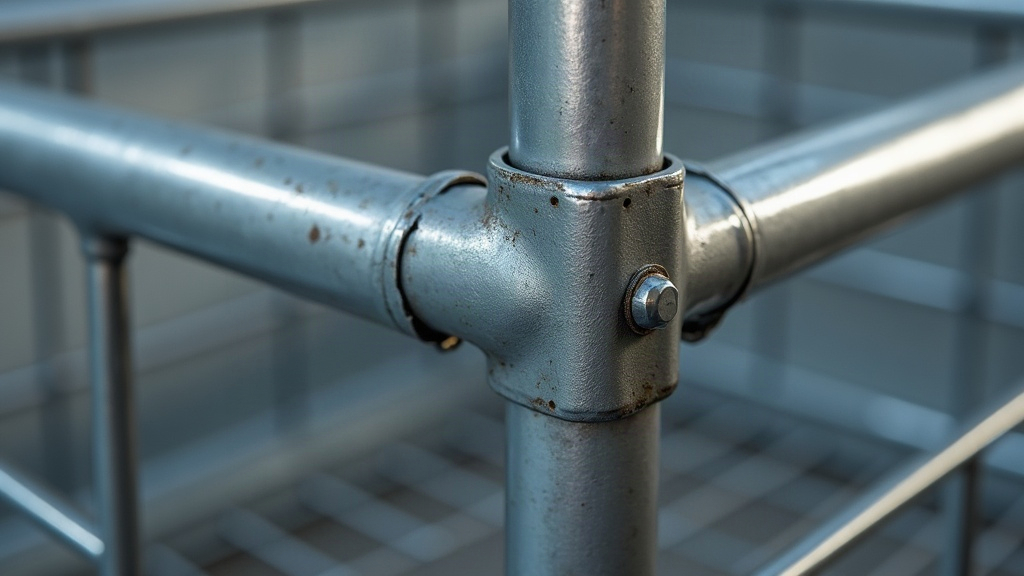
Steel: Typically used in professional-grade kennels, steel offers superior tensile strength. The tensile strength of steel is approximately 400 MPa, meaning it can withstand significant force without deforming. The downside is that it is heavier, which may present challenges in mobility.
-
Aluminum: Weighing approximately one-third of steel, aluminum is easier to handle. Although its tensile strength (around 300 MPa) is lower than that of steel, it is often treated with anodizing processes to enhance durability and corrosion resistance.
Biomechanical Aspects of Design
When dogs are confined, their stress levels can be influenced by the design of their surroundings. Key biomechanical factors include:
-
Space Allowance: Each dog requires a specific amount of space depending on size and breed. The American Kennel Club recommends a minimum of 24 square feet for medium-sized dogs.
-
Positioning of Locking Mechanisms: Locks should be situated out of reach for dogs that may try to escape, while still being accessible for human operators. This design consideration can reduce stress and anxiety in confined animals.
Practical Applications in Breeding and Shelter Environments
Stackable heavy-duty kennels are particularly beneficial in various scenarios:
-
Multi-Dog Households: For breeders managing several dogs, stackable arrangements allow for effective space management while ensuring each dog has its own secure area.
-
Shelters and Rescue Organizations: In situations where space is limited, stacking provides a way to house more animals without compromising their comfort or safety.
-
Veterinary Recovery Rooms: After surgery, pets may need to be confined to prevent them from moving too much. Stackable kennels can be set up in a recovery area to facilitate monitoring and care.
For assistance in calculating the space and setup for your specific needs, consider using our Interactive Tool.

Frequently Asked Questions
What are the weight limits for stackable dog kennels?
The weight limit for stackable dog kennels varies by model and manufacturer. Generally, heavy-duty kennels can accommodate dogs weighing from 50 lbs up to 200 lbs, depending on design and materials. Always check the manufacturer’s specifications for detailed weight limits.
How do I ensure my stackable kennel is secure?
To ensure security, confirm that the kennel has multiple locking points that are robust and resistant to tampering. Inspect the locking mechanisms regularly for wear and replace any damaged parts immediately to maintain safety.
Can stackable dog kennels be used outdoors?
While many stackable dog kennels are designed for indoor use, certain models are suitable for outdoor environments. Look for kennels made from weather-resistant materials like galvanized steel or treated aluminum. Always consider the kennel’s ventilation and insulation properties to protect dogs from extreme temperatures.
In conclusion, selecting the right stackable heavy-duty dog kennel requires careful consideration of materials, design features, and intended use. By understanding the technical specifications and practical applications, breeders and shelters can create safe, efficient, and comfortable environments for the dogs in their care.