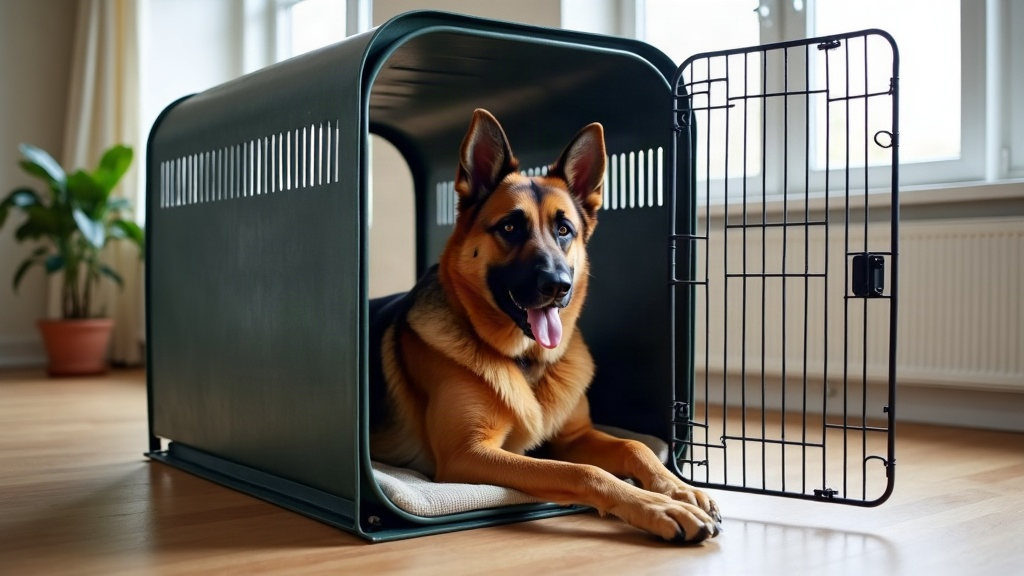
Best Heavy-Duty Dog Crates with Locking Caster Wheels

This site does not currently contain paid affiliate links; nothing on this page is a paid link today.
How we picked: This guide compares options using published
specifications, verified owner-review patterns and reputable expert testing.
We label clearly what is hands-on vs research-based, and never present others'
testing as our own.
Our top picks
| Rank | Product | Name | Why we picked it | Buy |
|---|---|---|---|---|
| Top pick | 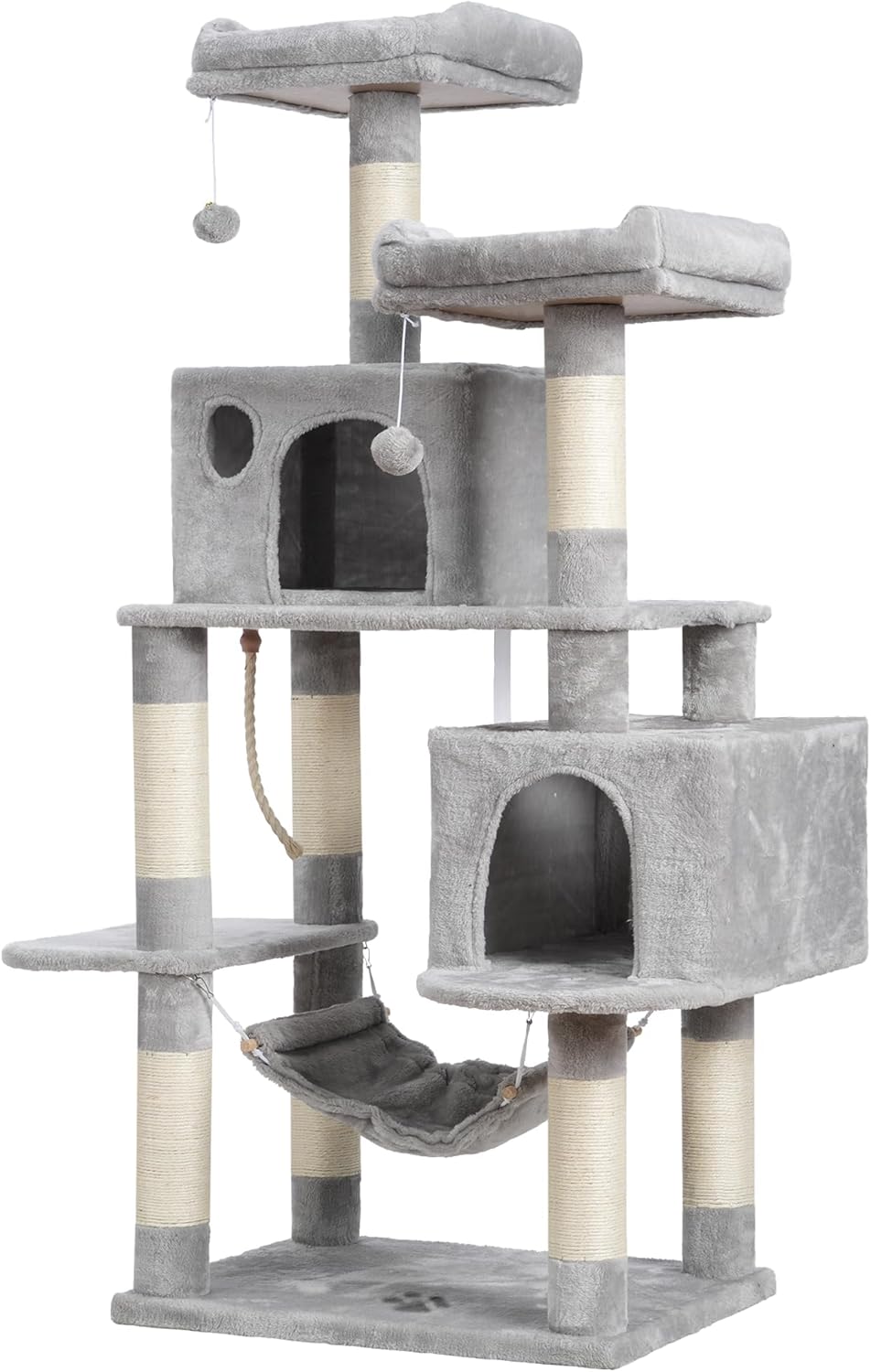 | LUCKUP 42/48 Inch Heavy Duty Strong Steel Dog Crate | Coming soon | |
| Runner-up |  | SMONTER Heavy Duty Anti-Escape Metal Dog Kennel | Coming soon | |
| Also great | 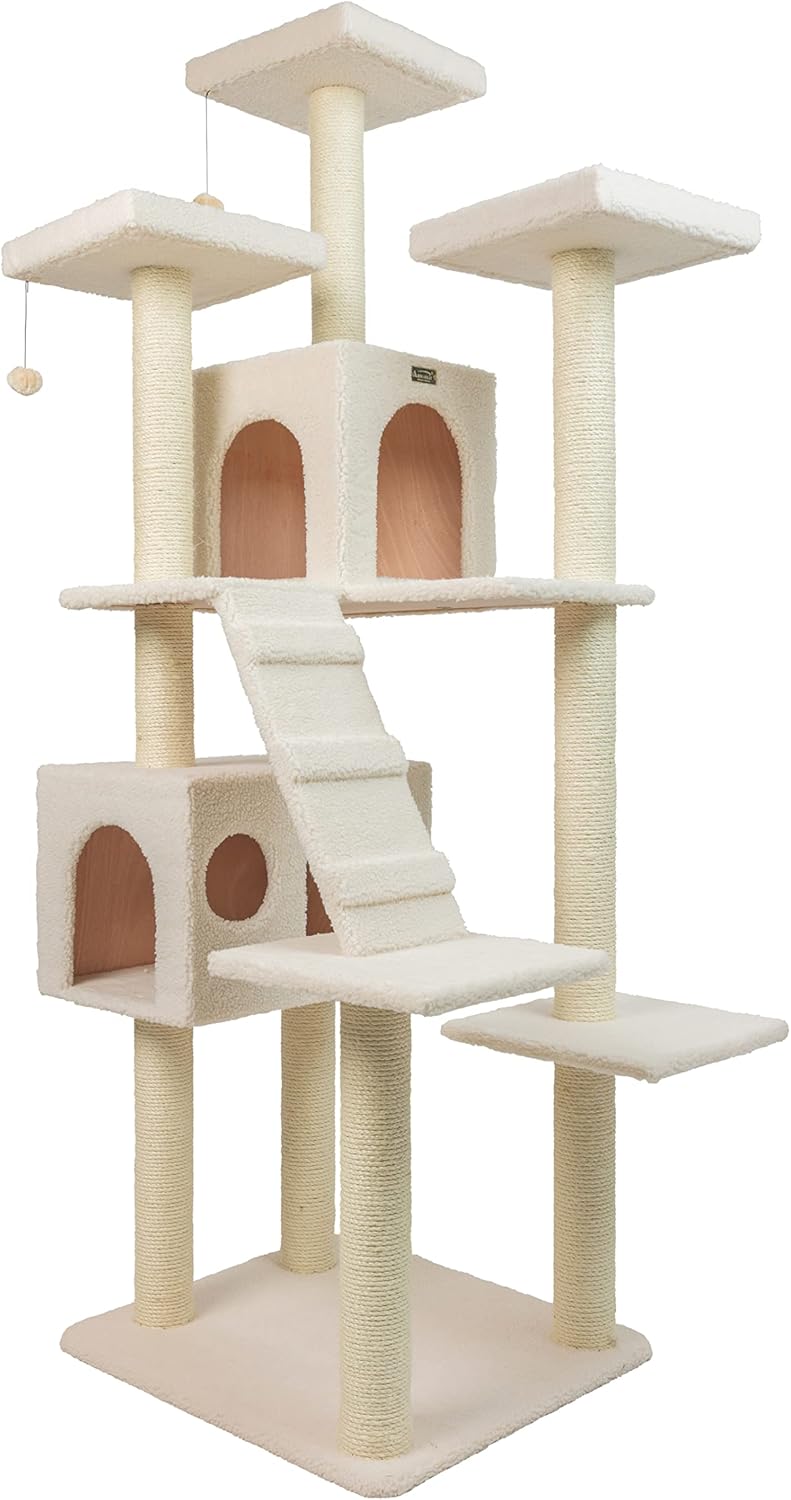 | ProSelect Empire Ultra-Heavy Duty Steel Dog Cage | Coming soon |
📑 Table of contents
Editorial Note: This guide is based on thorough research and insights from the Dog Crate Lab Canine Safety Desk, ensuring that you are provided with accurate and detailed information regarding heavy-duty dog crates.
Understanding Heavy-Duty Dog Crates
Heavy-duty dog crates are essential for pet owners seeking a durable containment solution for strong or large breeds. These crates are engineered with robust materials, often utilizing high-grade steel, to withstand the physicality of powerful dogs. The inclusion of locking caster wheels adds a layer of convenience, enabling easy repositioning without sacrificing stability or safety.
What to Look for in Heavy-Duty Dog Crates
When considering a heavy-duty dog crate, it’s crucial to evaluate a few key specifications:
-
Material Composition: Look for crates constructed from 100-pound steel or similar alloys. This ensures that the crate can withstand significant force without bending or breaking.
-
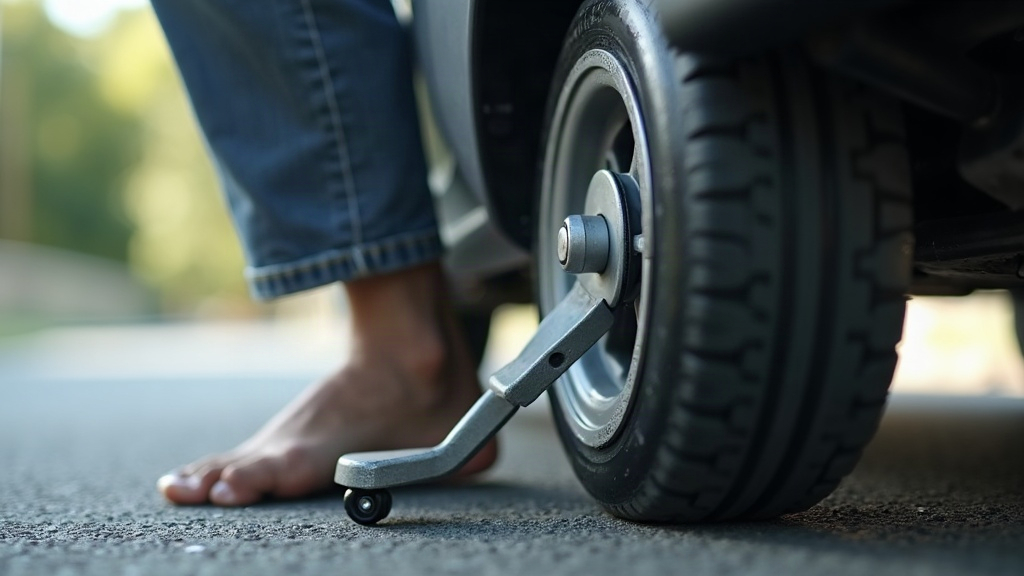
Locking Mechanism: A reliable locking mechanism is essential. 360-degree locking casters allow for mobility while ensuring that the crate remains stationary when needed.
-
Dimensions: The crate’s size should accommodate your dog’s breed and size comfortably. A common recommendation is to select a crate that is at least 2-4 inches taller and longer than your dog when standing and lying down.
-
Weight Capacity: Ensure that the crate can support your dog’s weight. A crate designed for heavy-duty use typically supports dogs weighing up to 100 pounds or more.
Benefits of Locking Caster Wheels
Locking caster wheels provide significant advantages, including:
- Mobility: Easily move the crate from one area to another without lifting it.
- Stability: The locking mechanism keeps the crate secure in its position, preventing it from rolling during use.
- Floor Protection: The wheels are designed to protect your floors, reducing scratches and wear over time.

Technical Specifications and Benchmarks
To assist in your purchase decision, the following table outlines some of the leading heavy-duty dog crates with locking caster wheels currently available on the market.
| Model Name | Material | Dimensions (inches) | Weight Capacity (lbs) | Locking Caster Mechanism | Price Range ($) |
|---|---|---|---|---|---|
| ProSelect Empire Crate | 100-pound steel | 36 x 24 x 30 | 100 | 360-degree locking | 250 - 300 |
| PetFusion Ultimate Crate | Reinforced steel | 42 x 28 x 32 | 125 | 360-degree locking | 300 - 350 |
| Impact Dog Crate | Heavy-duty aluminum | 48 x 30 x 36 | 150 | 360-degree locking | 400 - 450 |
| EliteField Double Door Crate | Heavy-duty steel | 36 x 24 x 27 | 100 | 360-degree locking | 200 - 250 |
Metallurgical Considerations
The durability of a heavy-duty dog crate largely depends on the material used. Steel is a preferred choice due to its strength and resistance to deformation.
-
Steel Composition: A common specification is the use of cold-rolled steel, which has a refined surface finish and improved strength over hot-rolled equivalents. The tensile strength of cold-rolled steel can reach above 70,000 psi, ensuring the crate can resist bending under pressure.
-
Welding Techniques: Crates should employ high-quality welding techniques, such as MIG or TIG welding, which provide strong joints that are less likely to fail under stress. Look for crates with continuous welds rather than spot welds for added durability.
Biomechanical Considerations
Understanding the biomechanics of your dog can also inform your choice of crate. Large breeds often possess significant muscle mass and strength, which can stress the crate structure.
-
Stress Points: Assess the design for potential stress points, particularly around hinges and locks. Reinforced areas can prevent failure during escape attempts.
-
Design Features: Crates with rounded edges reduce stress concentrations, which can lead to material fatigue over time.
Choosing the Right Heavy-Duty Dog Crate
When selecting a heavy-duty dog crate, consider the following factors:
- Size and Fit: Measure your dog’s height and length, adding a few inches for comfort.
- Mobility Needs: If you need to move the crate frequently, prioritize a model with smooth, locking casters.
- Safety Standards: Ensure the crate meets safety standards and is free from sharp edges or toxic materials.
To make an informed choice, visit our interactive tool for crate sizing and specifications: Crate Size Calculator.
Frequently Asked Questions
1. What is the best material for a heavy-duty dog crate?
The best material for a heavy-duty dog crate is high-grade steel, specifically cold-rolled steel, due to its superior strength and durability. Steel is less likely to warp or bend compared to aluminum or plastic options, making it ideal for strong and large dog breeds.
2. How do I know if a crate is suitable for my dog?
To determine if a crate is suitable, measure your dog from nose to tail and from the ground to the top of their head while standing. The crate should provide at least 2-4 inches of space in both dimensions for comfort. Additionally, check the weight capacity of the crate to ensure it can handle your dog’s weight.
3. Are heavy-duty dog crates easy to clean?
Yes, most heavy-duty dog crates are designed for easy cleaning. Many models feature removable trays at the bottom, which can be taken out and washed separately. The smooth surfaces of metal crates also allow for quick wiping down to maintain hygiene.