Aluminum vs Steel Heavy-Duty Dog Crates: Weight, Strength & Corrosion
This site does not currently contain paid affiliate links; nothing on this page is a paid link today.
How we picked: This guide compares options using published
specifications, verified owner-review patterns and reputable expert testing.
We label clearly what is hands-on vs research-based, and never present others'
testing as our own.
Our top picks
| Rank | Product | Name | Why we picked it | Buy |
|---|---|---|---|---|
| Top pick |  | LUCKUP 42/48 Inch Heavy Duty Strong Steel Dog Crate | Coming soon | |
| Runner-up |  | ProSelect Empire Ultra-Heavy Duty Steel Dog Cage | Coming soon | |
| Also great |  | SMONTER Heavy Duty Anti-Escape Metal Dog Kennel | Coming soon |
Editorial Note: This article is based on comprehensive research conducted by the Dog Crate Lab Canine Safety Desk, focusing on ensuring the highest standards of safety and durability in canine crate containment systems.
Aluminum vs Steel Heavy-Duty Dog Crates: A Technical Comparison
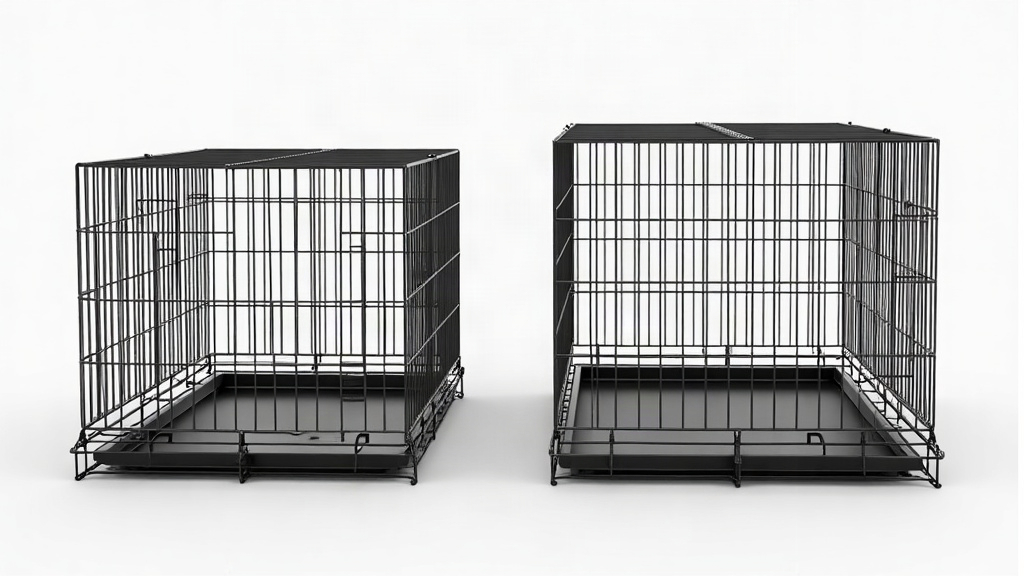
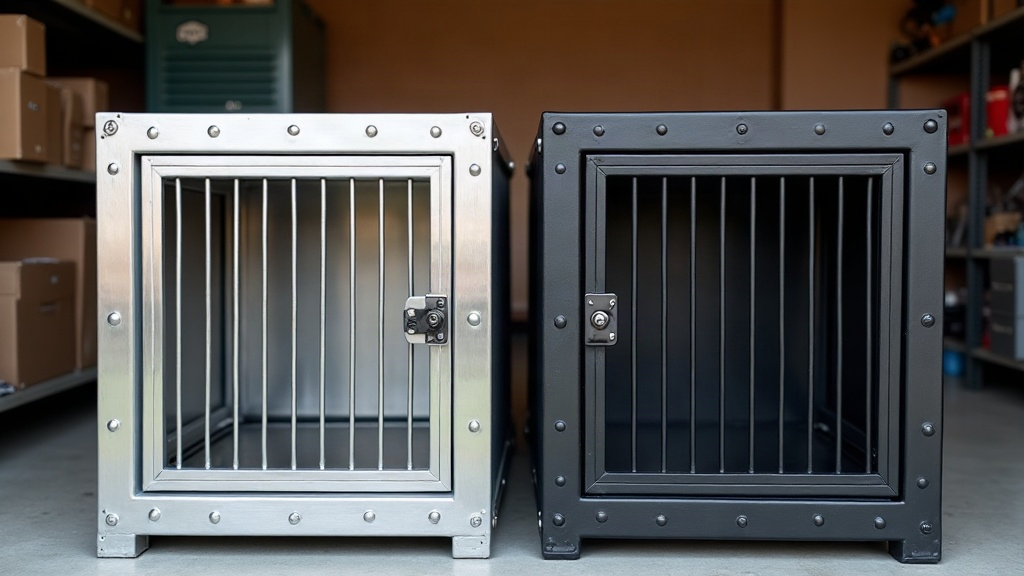
Dog owners often face the decision between aluminum and steel heavy-duty dog crates when selecting the best containment solution for their pets. Understanding the inherent properties of these materials—specifically in terms of weight, strength, and corrosion resistance—is crucial for making an informed choice. Below, we delve into a technical comparison of welded 20-gauge steel tubing versus riveted aircraft aluminum panels to evaluate their suitability for heavy-duty dog crates.
Material Composition and Properties
Steel Heavy-Duty Dog Crates
Heavy-duty dog crates made of welded 20-gauge steel tubing are known for their robustness and durability. Steel has a high tensile strength, making it resistant to bending and deformation under stress. The specifications for a typical steel crate are as follows:
- Tensile Strength: Approximately 370 MPa (MegaPascals)
- Density: 7,850 kg/m³
- Corrosion Resistance: Poor without coating; requires galvanization or powder coating for protection
Steel’s durability makes it a preferred choice for aggressive chewers and escape artists. However, it is important to note that uncoated steel will rust over time, especially in humid conditions.
Aluminum Heavy-Duty Dog Crates
On the other hand, aluminum crates, often constructed with riveted aircraft-grade aluminum panels, boast unique advantages:
- Tensile Strength: Approximately 310 MPa (MegaPascals)
- Density: 2,700 kg/m³
- Corrosion Resistance: Excellent; naturally forms a protective oxide layer
Despite having lower tensile strength compared to steel, aluminum’s lightweight nature and superior corrosion resistance make it an attractive option for many dog owners, particularly those needing portable solutions.
Weight Comparison: Practical Implications
Weight can be a critical factor for dog owners who need to transport their crates frequently. Below is a comparison of the weights of steel and aluminum crates based on a standard size of 42 inches:
| Material | Weight (approx.) | Remarks |
|---|---|---|
| Steel | 80 lbs (36 kg) | Heavier, stable, ideal for fixed placements |
| Aluminum | 50 lbs (23 kg) | Lightweight, easier to transport |
The difference in weight can significantly impact usability. Aluminum crates are often favored by those who attend dog shows or travel frequently, while steel crates may be better suited for home use where stability is paramount.
Strength and Durability: A Closer Look
Evaluating the strength and durability of these materials requires understanding the construction methods used in dog crates.
-
Steel Crates: The welded construction provides a continuous structural integrity that enhances strength. A properly welded steel crate will not easily succumb to bending or breakage, making it optimal for larger or more aggressive breeds.
-
Aluminum Crates: Although riveted, aircraft-grade aluminum panels are designed to withstand significant forces. Their lightweight nature does not compromise their structural integrity, making them a reliable choice for medium-sized dogs. However, they may not withstand extreme pressure from heavy breeds as effectively as steel.
Corrosion Resistance: Environmental Factors
Corrosion resistance is a crucial aspect to consider, especially for crates that may be exposed to moisture or varying temperatures.
-
Steel Crates: Steel is susceptible to rust when exposed to moisture, requiring protective coatings. The longevity of steel crates can be compromised in environments with high humidity or exposure to water.
-
Aluminum Crates: Aluminum’s natural corrosion resistance eliminates the need for additional coatings, making it suitable for outdoor use or in humid climates without the risk of rust. The oxide layer acts as a protective barrier, ensuring the crate maintains its aesthetic appeal over time.
Summary of Technical Parameters
| Parameter | Aluminum Crates | Steel Crates |
|---|---|---|
| Tensile Strength | 310 MPa | 370 MPa |
| Density | 2,700 kg/m³ | 7,850 kg/m³ |
| Weight (42” crate) | 50 lbs (23 kg) | 80 lbs (36 kg) |
| Corrosion Resistance | Excellent | Requires coating |
| Construction | Riveted panels | Welded tubing |
Recommendations Based on Usage
- For Home Use: If your dog tends to be destructive or aggressive, a steel crate is recommended for its superior strength.
- For Travel: An aluminum crate would be more suitable due to its light weight and ease of transport.
- For Outdoor Use: Choose aluminum to avoid rust and corrosion issues associated with steel.
Interactive Tool
For a customized recommendation based on your dog’s breed and behavior, try our Dog Crate Size Calculator.

Frequently Asked Questions
1. Which material is better for aggressive chewers?
Steel crates are generally better suited for aggressive chewers due to their higher tensile strength and welded construction. They are less likely to bend or be damaged compared to aluminum.
2. How does temperature affect aluminum and steel crates?
Aluminum has a lower thermal conductivity than steel, which means it will not get as hot or cold as quickly when exposed to temperature extremes. This can provide a more comfortable environment for your dog in varying weather conditions.
3. Are heavy-duty crates necessary for all dog breeds?
Not all breeds require heavy-duty crates. For smaller or less destructive breeds, standard crates may suffice. However, breeds known for their strength and escape tendencies often benefit from the added security of heavy-duty options.
In conclusion, the choice between aluminum and steel heavy-duty dog crates hinges on specific needs, including portability, environmental factors, and the behavior of the dog in question. By weighing these technical specifications and recommendations, dog owners can make an informed decision that prioritizes both safety and comfort for their canine companions.