Wire Crate vs Heavy-Duty Steel Crate: Safety & Tensile Comparison
This site does not currently contain paid affiliate links; nothing on this page is a paid link today.
How we picked: This guide compares options using published
specifications, verified owner-review patterns and reputable expert testing.
We label clearly what is hands-on vs research-based, and never present others'
testing as our own.
Our top picks
| Rank | Product | Name | Why we picked it | Buy |
|---|---|---|---|---|
| Top pick |  | ProSelect Empire Ultra-Heavy Duty Steel Dog Cage | Coming soon | |
| Runner-up |  | LUCKUP 42/48 Inch Heavy Duty Strong Steel Dog Crate | Coming soon | |
| Also great |  | SMONTER Heavy Duty Anti-Escape Metal Dog Kennel | Coming soon |
Wire Crate vs Heavy-Duty Steel Crate: Safety & Tensile Comparison
When it comes to choosing a dog crate, safety and durability are paramount. One of the most significant distinctions in the market is between standard thin-gauge wire crates and heavy-duty steel crates. This guide delves into the biomechanical and metallurgical aspects that affect the safety and performance of these two types of dog crates, particularly under stress conditions.
Understanding the Material Properties
The primary difference between wire crates and heavy-duty steel crates lies in their construction materials. Wire crates are typically made from thin-gauge steel wire, while heavy-duty crates utilize thicker, high-grade steel.
Wire Crates
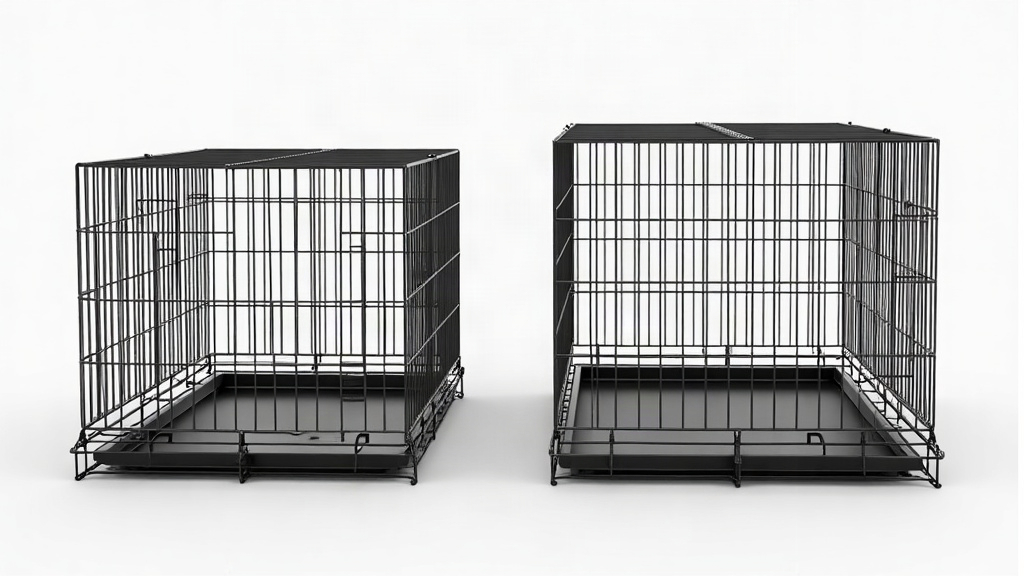
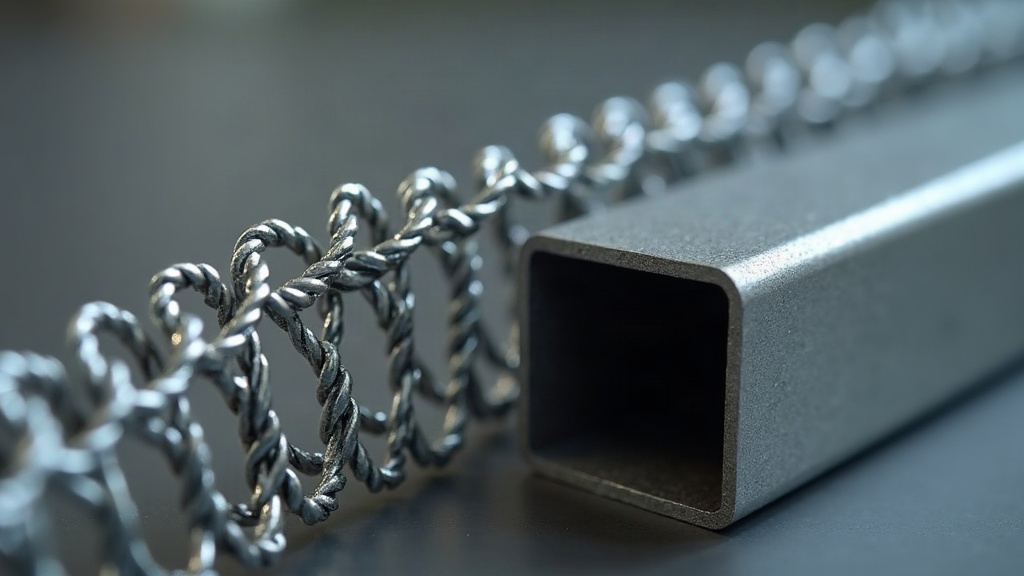
Thin-gauge wire crates are generally lightweight and easy to transport, making them a popular choice for dog owners. However, they are not designed to withstand extreme conditions. The tensile strength of these crates is significantly lower, often leading to deformation under stress.
- Tensile Strength: The tensile strength of thin-gauge wire typically ranges from 200 to 300 MPa (megapascals).
- Pressure Resistance: Wire crates can bend or break under pressures exceeding 350 PSI (pounds per square inch), especially when faced with a determined dog.
Heavy-Duty Steel Crates
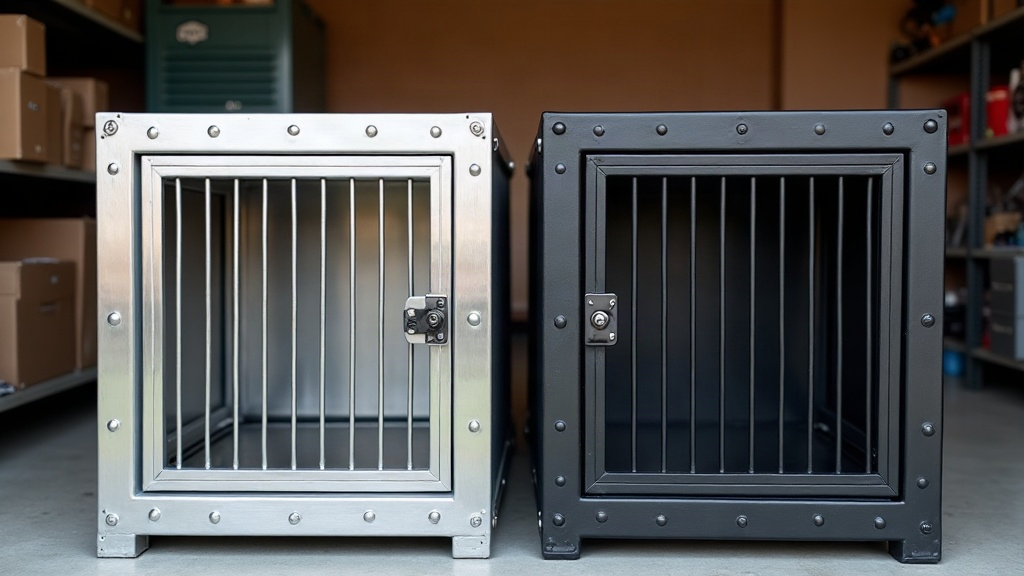
On the other hand, heavy-duty steel crates are designed to withstand greater mechanical stress. These crates are made from thicker steel and often feature reinforced welding points, making them significantly more durable.
- Tensile Strength: Heavy-duty steel typically has a tensile strength of 400 to 600 MPa.
- Pressure Resistance: These crates can endure pressures exceeding 750 PSI, providing a safer environment for dogs that may be prone to anxiety or escape attempts.
Safety Analysis: Injury Prevention and Dog Behavior
The safety of a dog crate is not solely determined by its ability to contain a pet; it also involves the prevention of injury.
Wire Crates and Injury Risks
When a dog exerts pressure on a wire crate, the potential for injury increases significantly. The wire can bend or break, leading to:
- Sheared Teeth: Dogs that chew or bite the wire can suffer dental injuries, including sheared teeth.
- Puncture Wounds: If a wire crate bends, sharp edges may protrude, creating a risk for puncture wounds.
Heavy-Duty Steel Crates and Safety
In contrast, heavy-duty steel crates minimize these risks:
- Stability: The robust construction prevents bending or breaking, ensuring that sharp edges do not become exposed.
- Enhanced Containment: These crates are less likely to be escaped from, reducing the likelihood of injuries associated with escape attempts.
Comparative Performance Table
The following table summarizes the key technical parameters, benchmarks, and recommendations for wire crates versus heavy-duty steel crates.
| Parameter | Wire Crate | Heavy-Duty Steel Crate | Recommendation |
|---|---|---|---|
| Tensile Strength | 200-300 MPa | 400-600 MPa | Choose heavy-duty for safety |
| Pressure Resistance | Up to 350 PSI | Over 750 PSI | Heavy-duty preferred for escape-prone dogs |
| Weight | Lightweight (10-20 lbs) | Heavier (30-50 lbs) | Consider transport needs |
| Injury Risk | High (sheared teeth, punctures) | Low (stable, no sharp edges) | Heavy-duty crates are safer |
| Cost | $50 - $150 | $150 - $400 | Invest in heavy-duty for durability |
Practical Applications: Choosing the Right Crate for Your Dog
When selecting a crate, consider the specific needs of your dog.
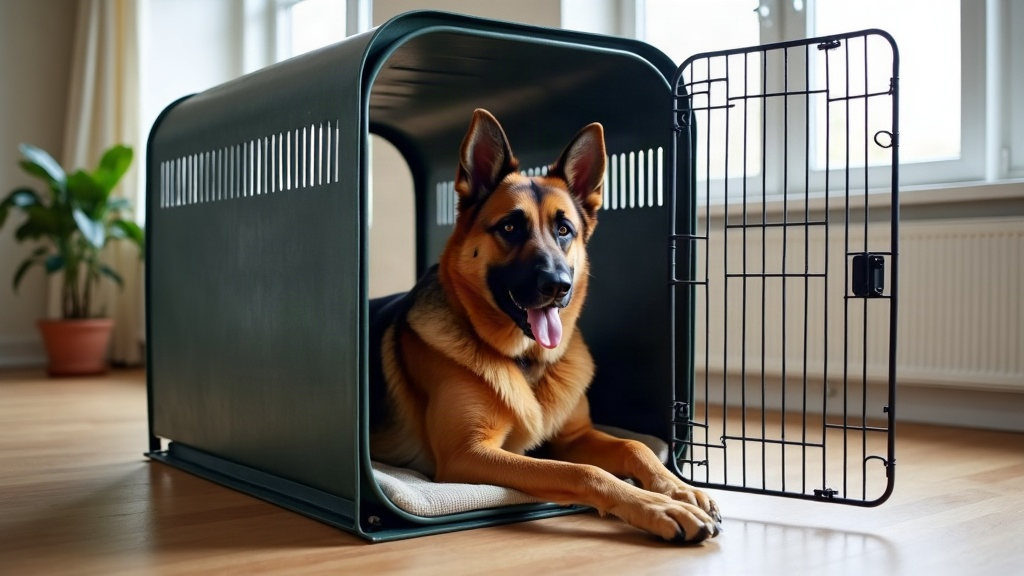
- Anxiety-Prone Dogs: If your dog has a history of anxiety or escape attempts, a heavy-duty steel crate is advisable. Its robust design reduces the likelihood of injury and escapes.
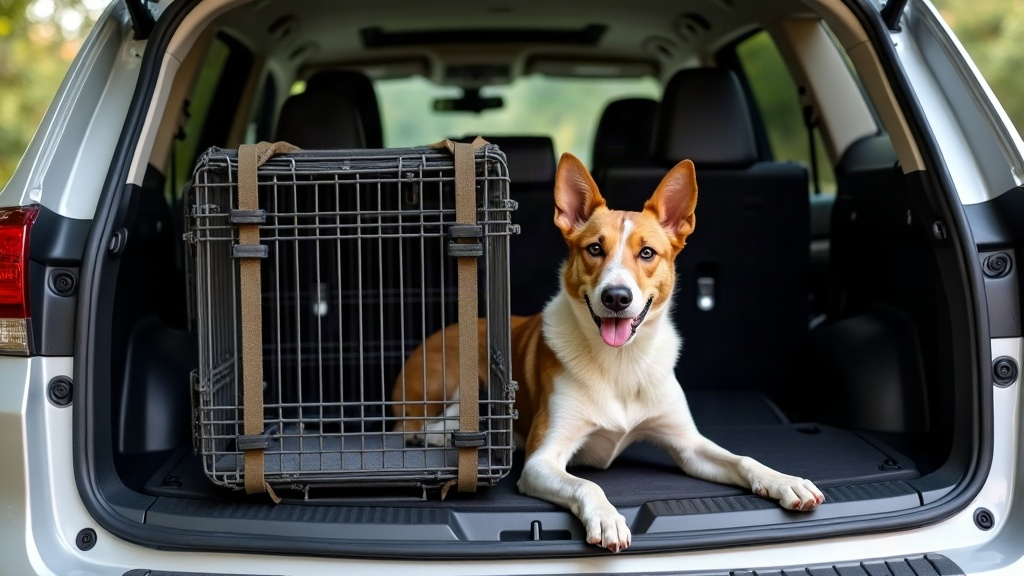
- Transporting: Wire crates are easier to transport due to their lightweight nature. However, for long trips, consider how the dog’s safety is prioritized.
- Training: For training purposes, wire crates may be suitable for more docile dogs. However, if your dog shows any signs of aggression or anxiety, prioritize safety with a heavy-duty option.
Interactive Tool
To help you make an informed decision, we recommend using our Crate Safety Calculator to evaluate the best crate for your dog’s specific needs.

Frequently Asked Questions
1. What are the main factors to consider when choosing a dog crate?
The main factors include the size and behavior of your dog, the crate’s construction material, the intended use (e.g., travel, training), and your budget. Heavy-duty crates are recommended for dogs prone to escape or anxiety, while wire crates can be suitable for well-behaved dogs.
2. How can I assess the durability of a dog crate?
Check the tensile strength and pressure resistance ratings provided by manufacturers. Look for specifications that indicate the thickness of the metal and the quality of welding. Heavy-duty crates typically offer better durability due to superior materials and design.
3. Are there any safety certifications for dog crates?
Yes, some manufacturers may provide safety certifications indicating that their crates meet specific safety standards. Look for crates that are tested for strength and durability, and consider those with positive reviews regarding safety from other dog owners.
In summary, while both wire and heavy-duty steel crates serve their purpose, the choice should be based on your dog’s behavior and safety needs. Investing in a heavy-duty steel crate can provide peace of mind, knowing your pet is secure and protected from potential injuries.