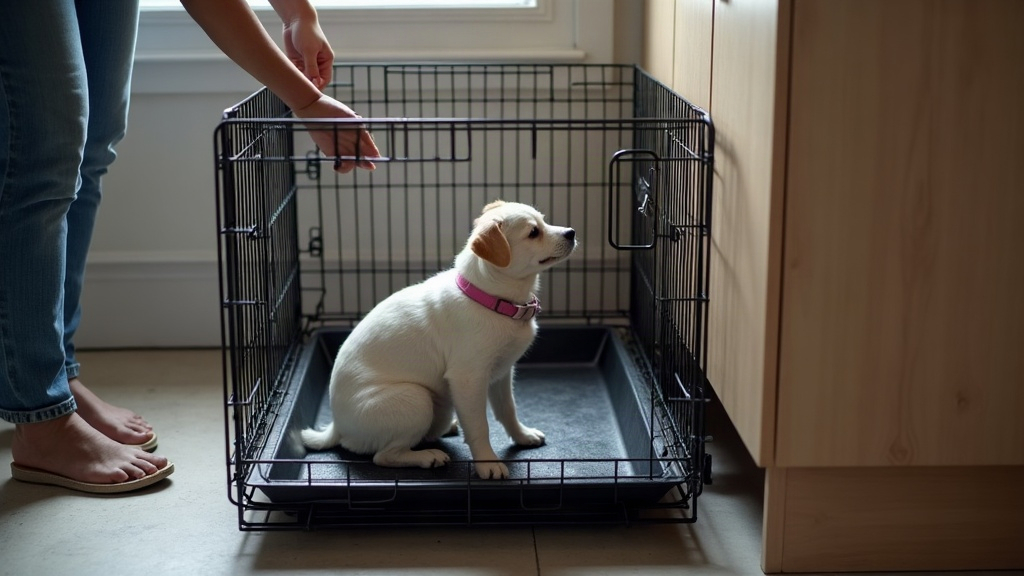
Heavy-Duty Dog Crate Size Guide: Measuring for Strength & Comfort
Independent editorial research. This site may earn commissions from qualifying purchases.
How we picked: This guide compares options using published
specifications, verified owner-review patterns and reputable expert testing.
We label clearly what is hands-on vs research-based, and never present others'
testing as our own.
Our top picks
| Rank | Product | Name | Why we picked it | Buy |
|---|---|---|---|---|
| Top pick |  | ProSelect Empire Ultra-Heavy Duty Steel Dog Cage | Coming soon | |
| Runner-up |  | LUCKUP 42/48 Inch Heavy Duty Strong Steel Dog Crate | Coming soon | |
| Also great |  | SMONTER Heavy Duty Anti-Escape Metal Dog Kennel | Coming soon |
📑 Table of contents
This guide is based on extensive technical desk evaluations of dog crate specifications and biomechanical principles. The information provided is designed to help owners of high-drive working breeds select the safest and most comfortable heavy-duty dog crate for their pets.
Understanding Heavy-Duty Dog Crate Dimensions
When choosing a heavy-duty dog crate, size is paramount, especially for large or high-drive breeds. A well-fitted crate not only enhances the dog’s comfort but also ensures their safety. In this section, we will explore the biomechanical sizing formulas that help you determine the appropriate crate dimensions.
Measuring Snout-to-Tail Length
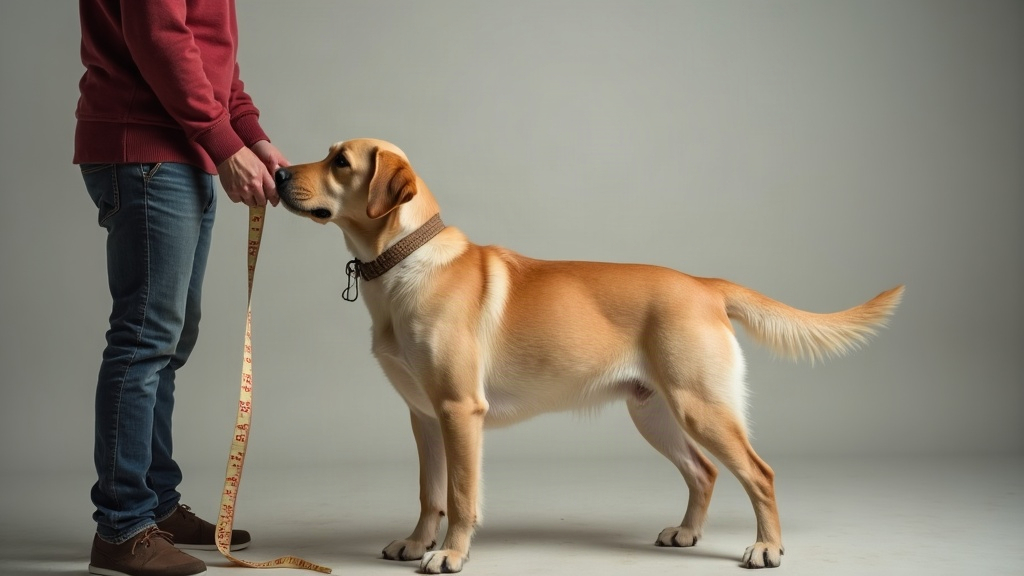
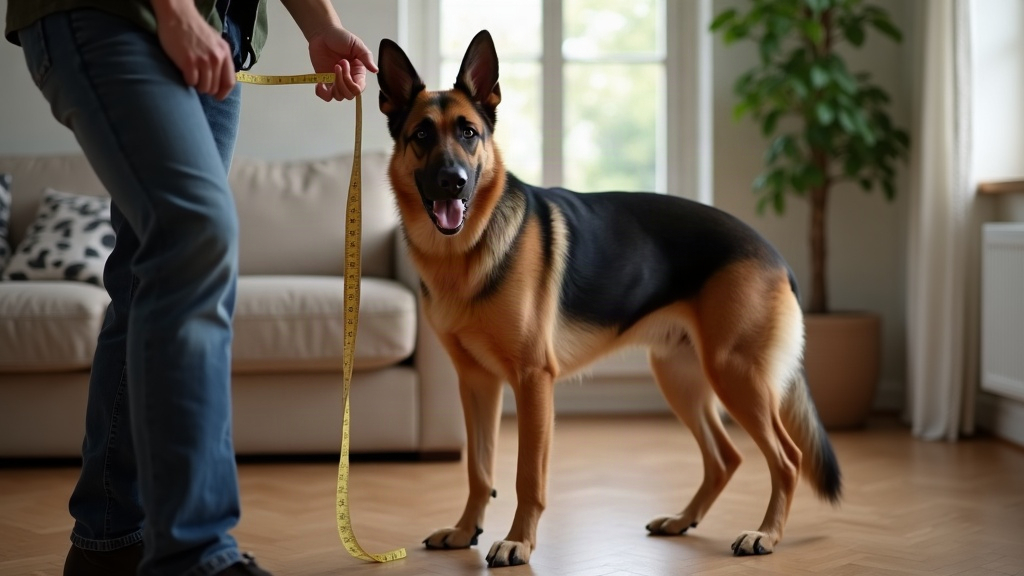
To accurately measure your dog for a crate, start with the snout-to-tail length. This measurement provides the fundamental basis for selecting the crate length. Here’s how to get it right:
- Position your dog: Ensure your dog is standing on all fours with a straight posture.
- Use a measuring tape: From the tip of the snout to the base of the tail, measure along the dog’s spine.
- Add extra space: For comfort, it’s advisable to add 2-4 inches to this measurement. This allowance accommodates the dog’s natural movements, especially for high-energy breeds.
Standing Ear Clearance
Another critical measurement is the standing ear clearance, especially for breeds with longer ears. A crate with insufficient height can lead to discomfort or injury. Here’s how to measure:
- Measure your dog’s height: From the ground to the top of the head while the dog is in a standing position.
- Add clearance: Add an additional 2-4 inches to ensure comfort, particularly for taller breeds.
Calculating Crate Width for Comfort
The width of the crate is often overlooked but is essential for your dog’s comfort, particularly for dogs that like to turn around or lie down comfortably.
- Determine shoulder width: Measure the widest part of your dog’s shoulders while standing.
- Add space: Include an additional 2-3 inches to allow for movement.
Heavy-Duty Crate Strength Specifications
High-drive breeds often have a strong tendency to escape from standard crates. Therefore, understanding the material strength and bar tube specifications is crucial.
Material and Bar Tube Strength
Heavy-duty crates are typically made from reinforced metals or high-grade plastics. The strength of the crate primarily comes from the bar tube thickness and material quality.
- Bar Tube Thickness: Look for crates with a bar tube thickness of at least 1.5 mm. This thickness is effective against chewing and bending.
- Material Quality: Stainless steel or heavy-gauge aluminum is recommended for superior durability and rust resistance.
Here’s a detailed comparison of different crate materials and strengths:
| Material | Bar Tube Thickness | Weight Capacity | Durability Rating | Recommended Use |
|---|---|---|---|---|
| Heavy-Gauge Steel | 1.5 mm | Up to 150 lbs | High | Strong chewers/escape artists |
| Aluminum Alloy | 2 mm | Up to 200 lbs | Very High | Active working breeds |
| Plastic Composite | 1.2 mm | Up to 100 lbs | Moderate | Less aggressive breeds |
Recommended Heavy-Duty Crates
Here are some of the top-rated heavy-duty crates based on strength and size:
- ProSelect Empire Dog Crate: Excellent for large breeds, featuring heavy-gauge steel with a lockable door.
- Impact Dog Crate: Made from aluminum, it’s lightweight yet strong, ideal for travel and active dogs.
- Petmate Sky Kennel: Though less robust, it’s suitable for less aggressive breeds and well-ventilated.
Selecting the Right Heavy-Duty Dog Crate
When selecting a heavy-duty dog crate, you must consider multiple factors to ensure it meets your dog’s needs.
Crate Design Considerations
- Ventilation: Ensure the design allows for adequate airflow to keep your dog comfortable.
- Accessibility: Look for crates with wide doors for easy access and cleaning.
- Portability: Consider models that are easy to transport if you plan to travel with your dog.
Interactive Tool for Crate Size Calculation
For a personalized recommendation based on your dog’s dimensions, you can use our Crate Size Calculator. This tool takes into account your dog’s measurements and provides tailored crate size recommendations.
Frequently Asked Questions
What is the best size of crate for a large dog?
The best size of a crate for a large dog is one that allows them to stand, turn around, and lie down comfortably. Measure your dog’s snout-to-tail length and standing height, and add 2-4 inches for optimal comfort. Typically, large breeds require crates that are at least 36 inches in length.
How do I know if a crate is durable enough for my dog?
To assess the durability of a crate, check the bar tube thickness and material. Heavy-gauge steel or aluminum is recommended for strong chewers. A thickness of 1.5 mm or more is ideal, along with a weight capacity that exceeds your dog’s body weight by at least 50 lbs.
Can I use a standard crate for a high-drive breed?
While it is possible to use a standard crate for a high-drive breed, it is not advisable. High-drive breeds often require heavy-duty crates designed to withstand their strength and tendencies to escape. Standard crates may not offer the necessary durability or security.