How to Clean and Disinfect a Heavy-Duty Steel Dog Crate
This site does not currently contain paid affiliate links; nothing on this page is a paid link today.
How we picked: This guide compares options using published
specifications, verified owner-review patterns and reputable expert testing.
We label clearly what is hands-on vs research-based, and never present others'
testing as our own.
Our top picks
| Rank | Product | Name | Why we picked it | Buy |
|---|---|---|---|---|
| Top pick |  | SMONTER Heavy Duty Anti-Escape Metal Dog Kennel | Coming soon | |
| Runner-up |  | LUCKUP 42/48 Inch Heavy Duty Strong Steel Dog Crate | Coming soon | |
| Also great |  | ProSelect Empire Ultra-Heavy Duty Steel Dog Cage | Coming soon |
📑 Table of contents
Understanding Heavy-Duty Steel Dog Crates
Heavy-duty steel dog crates are praised for their durability and security, making them ideal for strong or anxiety-prone dogs. However, maintaining these crates involves specific cleaning and disinfecting techniques to ensure a healthy environment for your pet. This guide explores the best practices for cleaning and disinfecting a heavy-duty steel dog crate, emphasizing slide-out tray removal, the use of enzymatic cleaners, and the importance of rust-inhibiting powder coat maintenance.
Slide-Out Tray Removal and Cleaning
Importance of the Slide-Out Tray
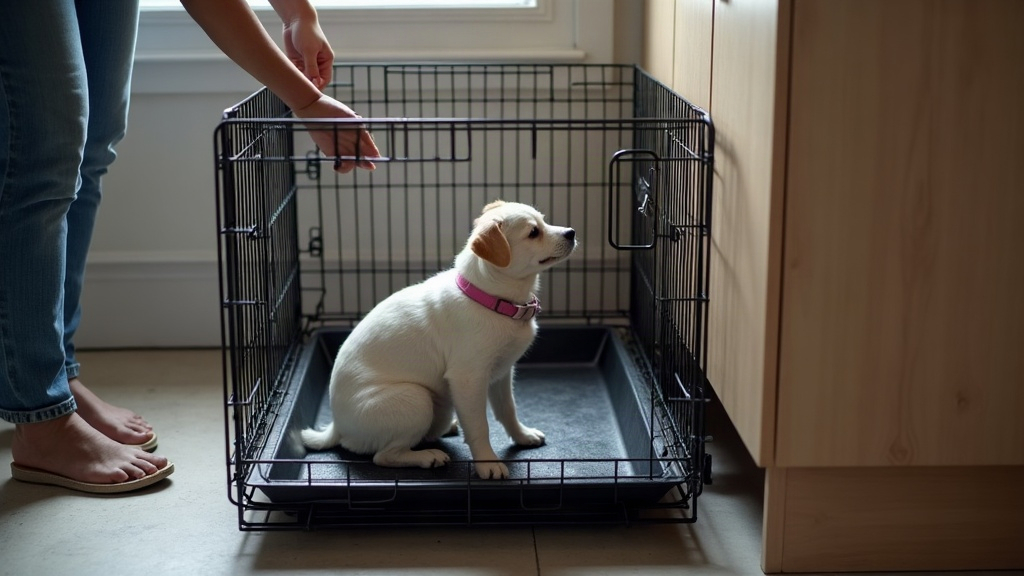
Most heavy-duty steel dog crates feature a slide-out tray that serves as a convenient collection area for waste, fur, and debris. This removable tray simplifies the cleaning process, allowing for efficient sanitation without having to clean the entire crate each time.
Steps for Tray Removal and Cleaning
- Safety First: Ensure your dog is in a secure area and cannot access the crate during cleaning.
- Remove the Tray: Depending on the model, the tray may either slide out easily or require a slight lift to release it from its locked position. Consult the manufacturer’s manual for specific instructions.
- Initial Cleaning: Use a vacuum or a brush to remove loose debris and hair from the tray.
- Wash with Soap: Clean the tray with warm, soapy water using a non-toxic dish soap. Avoid harsh chemicals that may leave harmful residues.
- Disinfect: After rinsing, apply an enzymatic cleaner specifically designed for pet odors to eliminate bacteria and smells. Let it sit for the recommended time as per the product instructions.
- Rinse and Dry: Rinse thoroughly with clean water and allow the tray to air dry completely before reinserting it into the crate.
Maintenance Tips
- Regularly check the tray for scratches or rust. Rust can compromise the integrity of the tray.
- For long-term maintenance, consider applying a food-safe mineral oil to prevent rust formation.
Enzymatic Cleaners for Pet Odors
What Are Enzymatic Cleaners?
Enzymatic cleaners contain natural enzymes that break down organic materials, making them particularly effective against pet odors and stains. They are safer for pets than conventional chemical cleaners and can be used on various surfaces, including steel.
Choosing the Right Enzymatic Cleaner
When selecting an enzymatic cleaner for your dog crate, consider the following specifications:
| Parameter | Benchmark | Recommendation |
|---|---|---|
| pH Level | 6-7 (neutral) | Ensure compatibility with metal surfaces |
| Enzyme Type | Protease, Amylase | Effective against proteins and carbohydrates |
| Safety Rating | Non-toxic, biodegradable | Ensure it’s safe for pets and the environment |
| Application Method | Spray or foaming | Choose based on personal preference and coverage |
| Odor Neutralization Time | 10-30 minutes | Consider how quickly you need the area to be odor-free |
Application Process
- Preparation: Ensure the crate is empty. Remove bedding and toys.
- Application: Spray or foam the enzymatic cleaner generously over the affected areas, focusing on corners and seams where odors may linger.
- Wait: Allow the cleaner to sit for the recommended duration to maximize effectiveness.
- Wipe Down: Use a lint-free cloth to wipe down the surfaces, removing any residues and odors.
Advantages of Enzymatic Cleaners
- Environmentally friendly and safe for pets.
- Effective at breaking down tough stains and odors.
- Prevents the need for frequent deep cleaning, saving time.
Rust-Inhibiting Powder Coat Maintenance
Understanding Powder Coating
Powder coating is a popular finish for heavy-duty steel dog crates, providing a durable, protective layer against rust and corrosion. However, it requires regular maintenance to ensure longevity.
Maintenance Procedures
- Visual Inspection: Regularly inspect the crate for scratches, chips, or signs of wear in the powder coating.
- Cleaning: Use a mild soap solution and a soft cloth to clean the exterior surfaces. Avoid abrasive materials that may scratch the coating.
- Touch-Up Kit: Consider purchasing a touch-up kit from the manufacturer to address minor damage promptly, preventing rust formation.
- Rust Prevention: For areas that may be prone to rust (like edges or joints), consider applying a thin layer of automotive wax or a specialized powder coat protectant.
Long-Term Care
- Store the crate indoors when not in use to minimize exposure to moisture.
- If the crate is used outdoors, ensure it is in a shaded area to reduce UV damage to the powder coat.
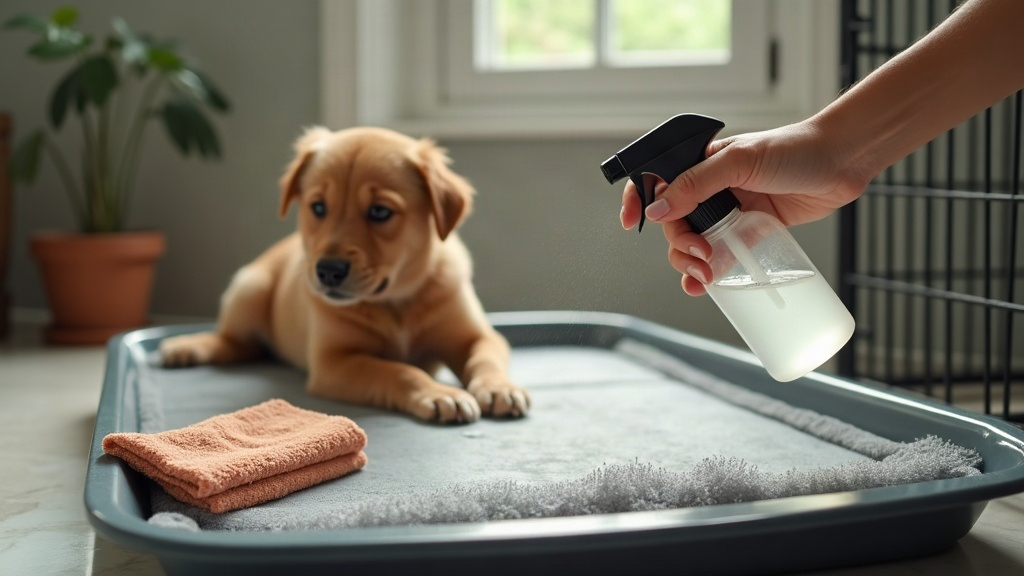
Interactive Tool for Cleaning Supplies
For assistance in calculating the amount of cleaning supplies you may need based on the size of your crate and frequency of cleaning, please use our interactive tool: Cleaning Supplies Calculator.
Frequently Asked Questions
1. How often should I clean my heavy-duty steel dog crate?
The frequency of cleaning depends on your dog’s habits. For typically active or larger dogs, a thorough clean every week is recommended. For less active dogs, bi-weekly or monthly cleaning may suffice. Daily spot-cleaning of the tray is advisable to manage odors and messes effectively.
2. Can I use bleach to disinfect my dog crate?
While bleach is a powerful disinfectant, it is not recommended for use on heavy-duty steel crates. Bleach can be corrosive to metal and may leave harmful residues. Instead, opt for enzymatic cleaners or vinegar solutions that are safe and effective without risking damage to the metal.
3. What should I do if I find rust on my steel dog crate?
If you discover rust, it is crucial to address it immediately to prevent further corrosion. Use a wire brush to remove loose rust, followed by sanding the area to smoothen it out. Afterward, apply a rust-inhibiting primer and finish with a protective coat to seal the area. Regular inspections can help catch rust early.