How to Crate Train a High-Anxiety Dog: Veterinary Protocols
This site does not currently contain paid affiliate links; nothing on this page is a paid link today.
How we picked: This guide compares options using published
specifications, verified owner-review patterns and reputable expert testing.
We label clearly what is hands-on vs research-based, and never present others'
testing as our own.
Our top picks
| Rank | Product | Name | Why we picked it | Buy |
|---|---|---|---|---|
| Top pick | 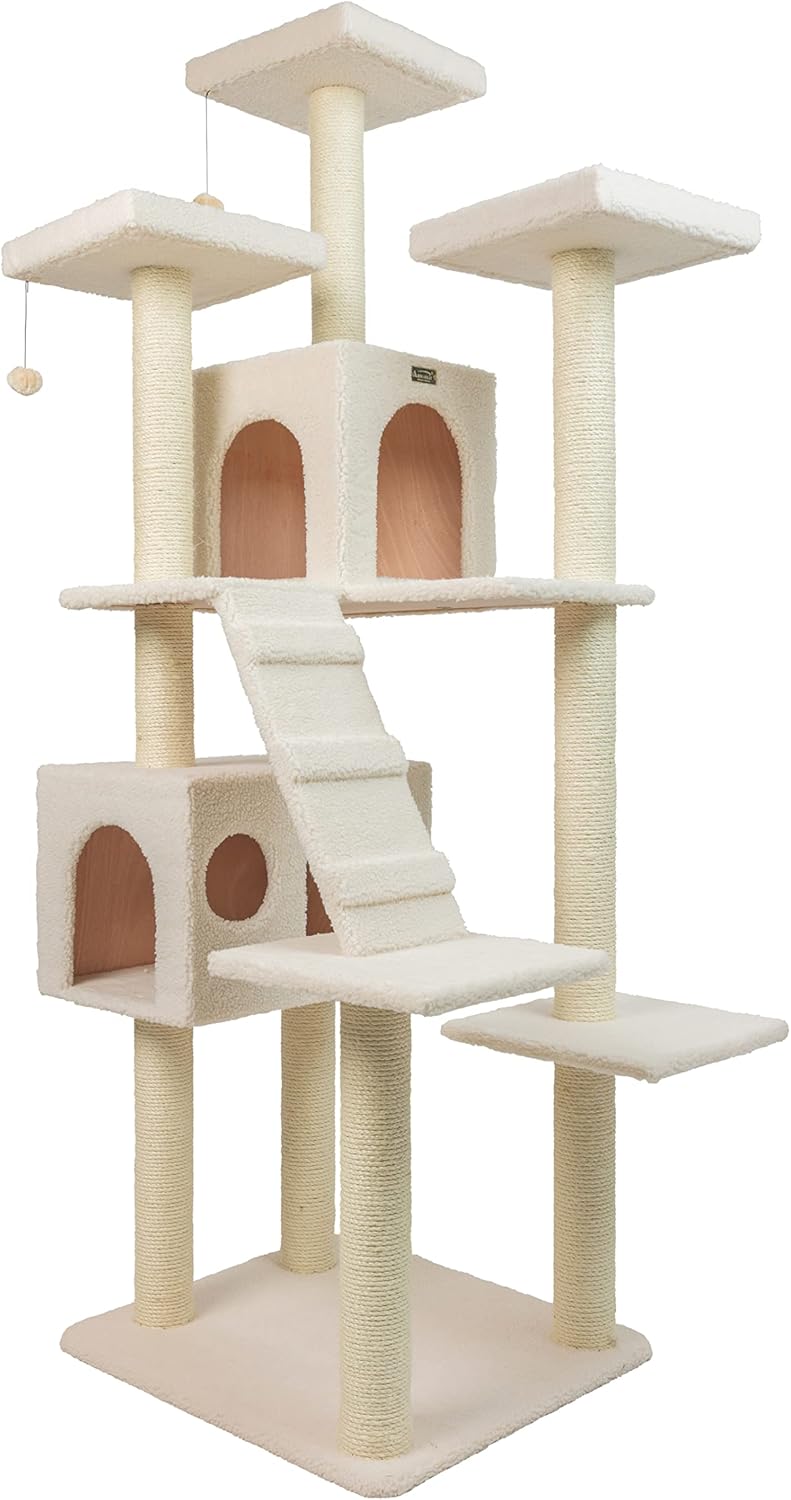 | ProSelect Empire Ultra-Heavy Duty Steel Dog Cage | Coming soon | |
| Runner-up | 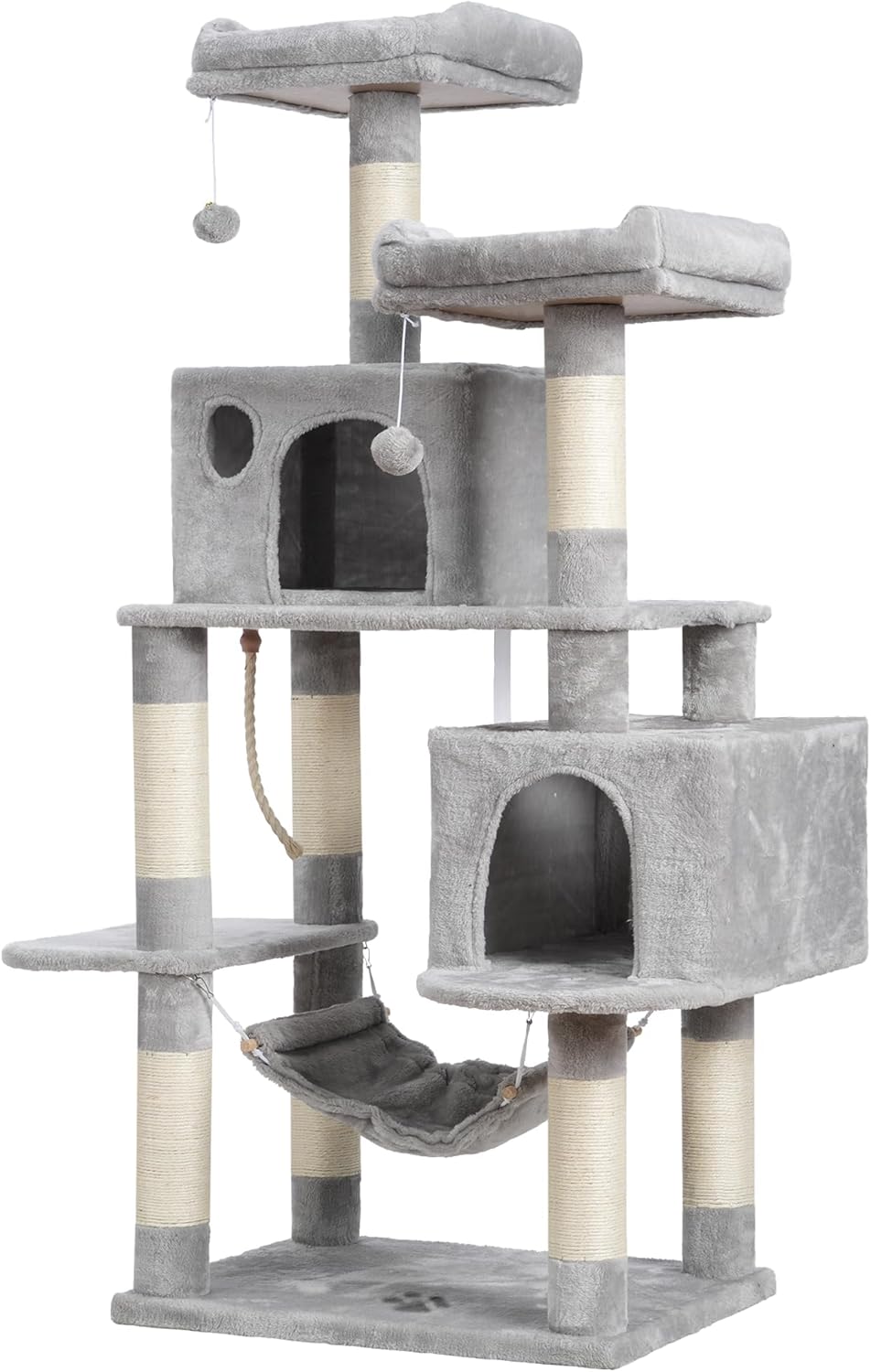 | LUCKUP 42/48 Inch Heavy Duty Strong Steel Dog Crate | Coming soon | |
| Also great |  | SMONTER Heavy Duty Anti-Escape Metal Dog Kennel | Coming soon |
📑 Table of contents
Editorial Note: This guide is crafted under the expertise of the Dog Crate Lab Canine Safety Desk, aimed at providing scientifically backed protocols for successfully crate training high-anxiety dogs.
Understanding High-Anxiety in Dogs
High-anxiety behavior in dogs manifests through various symptoms, including excessive barking, destructive tendencies, and attempts to escape confinement. Recognizing the root causes—such as past traumas, environmental changes, or lack of socialization—is crucial in addressing the issue effectively.
Veterinarians often recommend a multi-faceted approach to crate training for high-anxiety dogs, which may include behavioral modification techniques, environmental adjustments, and the strategic use of calming aids. An understanding of canine behavior and physiology is essential for implementing these protocols effectively.
Desensitization Protocols: Gradual Acclimatization
Desensitization is a behavioral modification technique that involves gradually exposing a dog to the crate in a controlled manner. This approach is vital for high-anxiety dogs who may view the crate as a source of stress rather than a safe space.
Step-by-Step Desensitization Process
-
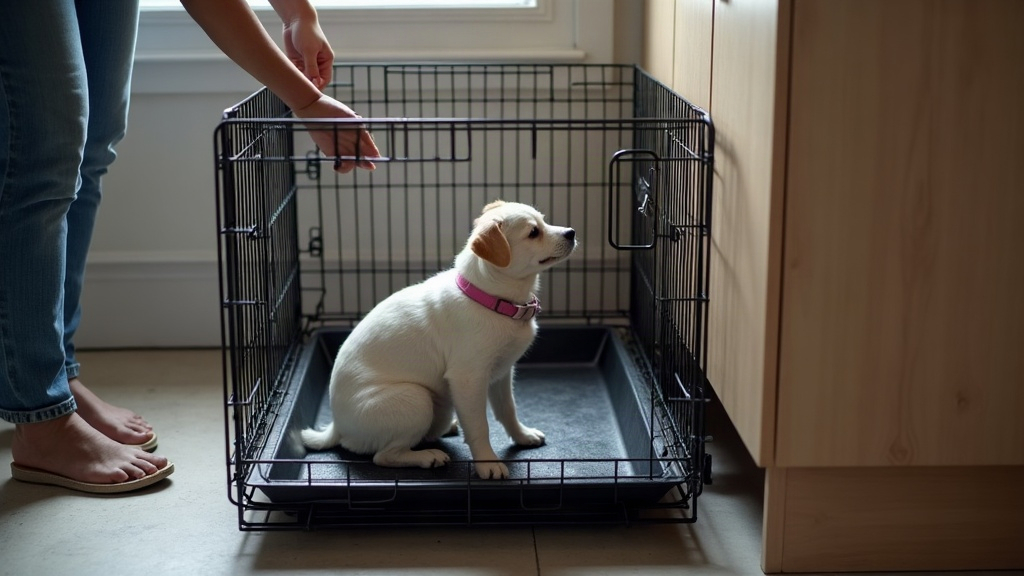
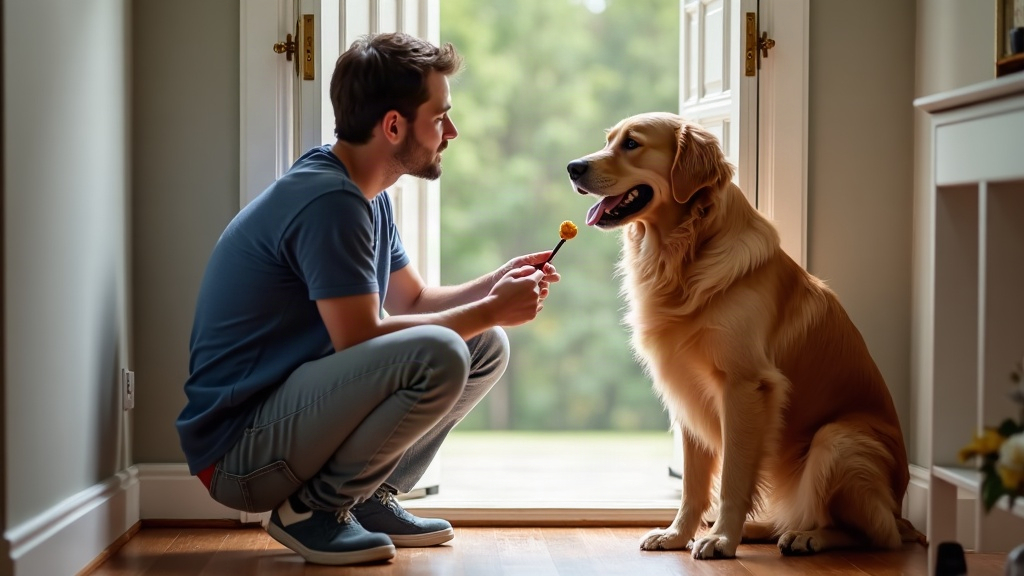
Familiarization: Place the crate in a common area of the house where the dog feels secure. Leave the door open and allow the dog to explore the crate at their own pace. Use treats and toys to create positive associations with the crate.
-
Short Sessions: Once the dog is comfortable approaching the crate, begin feeding them meals near the crate. Gradually move the food bowl closer to the inside of the crate over several days.
-
Closed-Door Training: After the dog shows comfort eating near the crate, start closing the door for short periods while they are inside, gradually increasing the duration as they acclimate.
-
Positive Reinforcement: Consistently reward your dog with treats and praise for entering and remaining calm in the crate.
-
Calm Exits: When allowing the dog out of the crate, avoid excessive excitement. Calmly open the door and wait for the dog to exit on their own.
Technical Considerations
When executing a desensitization protocol, consider the dog’s physiological response to stress. A dog’s heart rate and cortisol levels can spike when anxious, leading to detrimental health effects. Monitoring these responses can guide the pace of the training.
Open-Door Feeding Routines
An open-door feeding routine is an effective method to build positive associations with the crate. This technique involves feeding the dog in and around the crate, allowing them to feel secure while enjoying their meals.
Implementation Steps
- Starting Point: Begin by placing the food bowl just outside the crate. Gradually move it closer to the inside of the crate over several days.
- Create a Routine: Feed the dog at the same time each day to establish a routine. This predictability can reduce anxiety levels.
- Observation: Monitor the dog’s body language. Signs of stress, such as panting or pacing, may indicate that the dog is not ready for the next step.
Benefits of Open-Door Feeding
This routine leverages the dog’s natural instincts. Dogs often seek enclosed spaces for comfort, and associating these spaces with food reinforces a positive perception of the crate.
Pheromone Diffusers: Chemical Comfort
Pheromone diffusers are scientifically engineered products that release synthetic versions of calming pheromones. These pheromones can significantly reduce anxiety levels in dogs by mimicking the natural scents that foster a sense of security.
Recommended Products
- Adaptil Diffuser: Marketed for its efficacy in reducing anxiety-related behaviors.
- ThunderEase: A similar product that has shown positive results in clinical settings.
Mechanism of Action
The pheromones interact with the dog’s olfactory system, promoting a calming effect. Studies have shown that dogs exposed to calming pheromones display reduced signs of stress and anxiety, making them a valuable tool in crate training.
| Product | Active Ingredients | Coverage Area | Duration of Effect | Recommendations |
|---|---|---|---|---|
| Adaptil Diffuser | Dog appeasing pheromone | Up to 700 sq ft | 30 days | Use in crate and living areas. |
| ThunderEase | Synthetic pheromones | Up to 700 sq ft | 30 days | Best used during training sessions. |
Safe Indestructible Crate Bedding
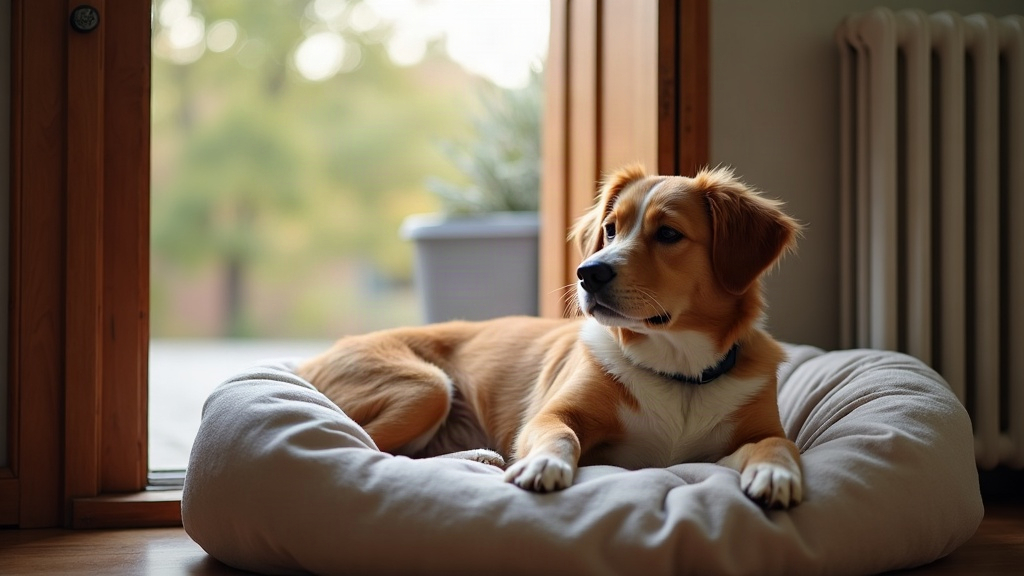
Choosing the right bedding for a high-anxiety dog is critical. Standard bedding often gets chewed or destroyed, which can exacerbate anxiety. Opting for indestructible crate bedding is advisable.
Key Features to Look For
- Material: Look for bedding made from heavy-duty, chew-resistant materials such as ballistic nylon or reinforced fabrics. These materials withstand wear and tear while providing comfort.
- Comfort: Ensure the bedding provides adequate cushioning to support the dog’s joints, especially for older dogs or those with pre-existing conditions.
- Washability: Select bedding that is machine washable, promoting hygiene and ease of maintenance.
Recommended Products
- K9 Ballistics Chew Proof Dog Bed: Designed for durability and comfort, made from high-quality materials.
- PetFusion Ultimate Dog Bed: Features a removable cover that is machine washable, providing comfort and easy cleaning.
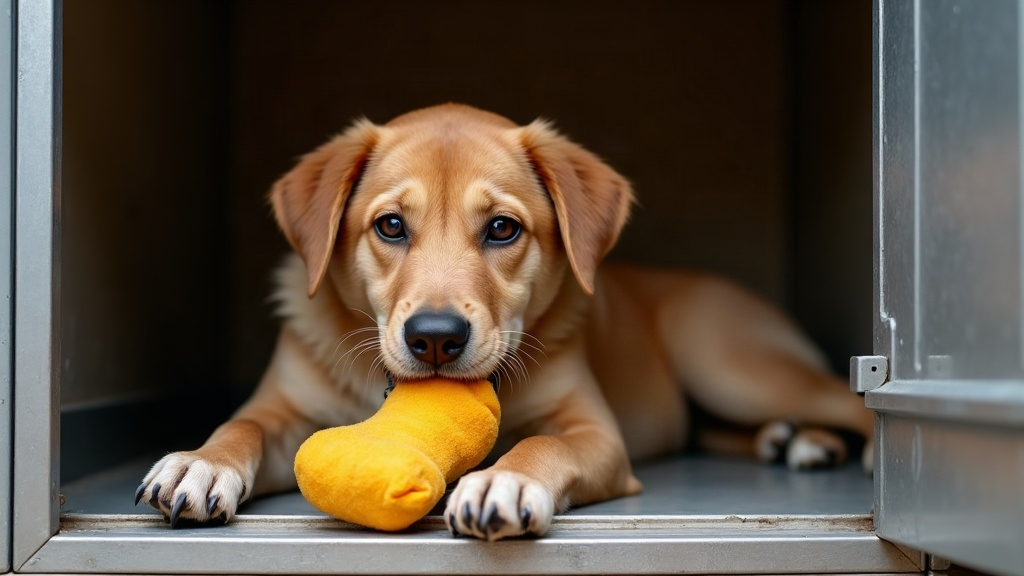
Interactive Tool: Crate Size Calculator
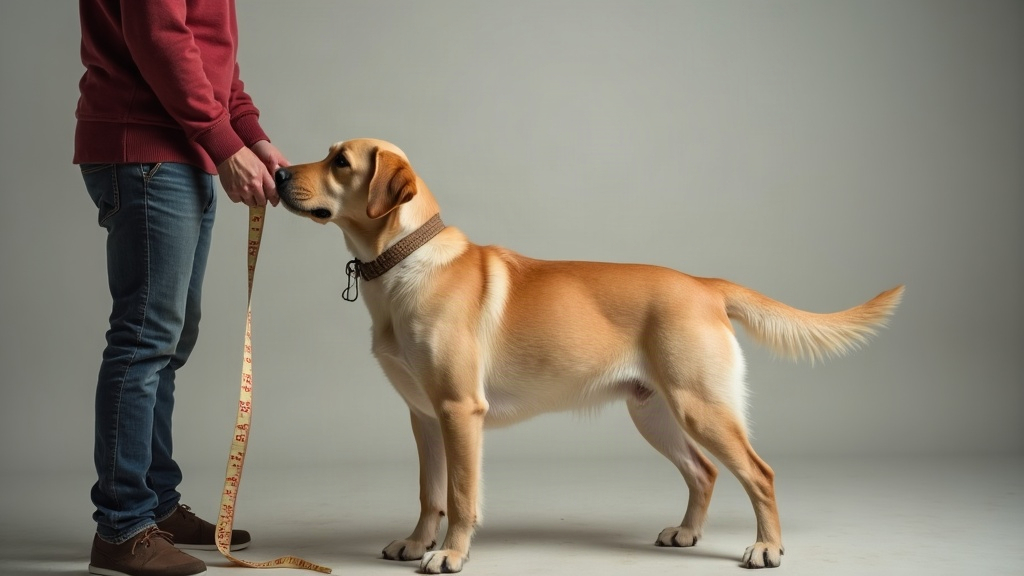
Before purchasing a crate, determining the appropriate size is essential. Use our Crate Size Calculator to find the ideal dimensions based on your dog’s breed and weight.
Frequently Asked Questions
What is the best type of crate for a high-anxiety dog?
The ideal crate for a high-anxiety dog is a heavy-duty, escape-proof model that offers adequate ventilation and visibility without feeling too open. Consider a wire crate with a removable divider for flexibility as the dog adjusts.
How long should crate training sessions last for high-anxiety dogs?
Initial crate training sessions should be short, ideally starting with 5-10 minutes and gradually increasing as the dog becomes more comfortable. Monitor the dog’s behavior and adjust the duration based on signs of stress.
Are there any medications that can help with crate anxiety?
In some cases, veterinarians may prescribe anti-anxiety medications or supplements to help manage crate anxiety. Always consult a veterinarian before administering any medication to ensure it is appropriate for your dog’s specific needs.