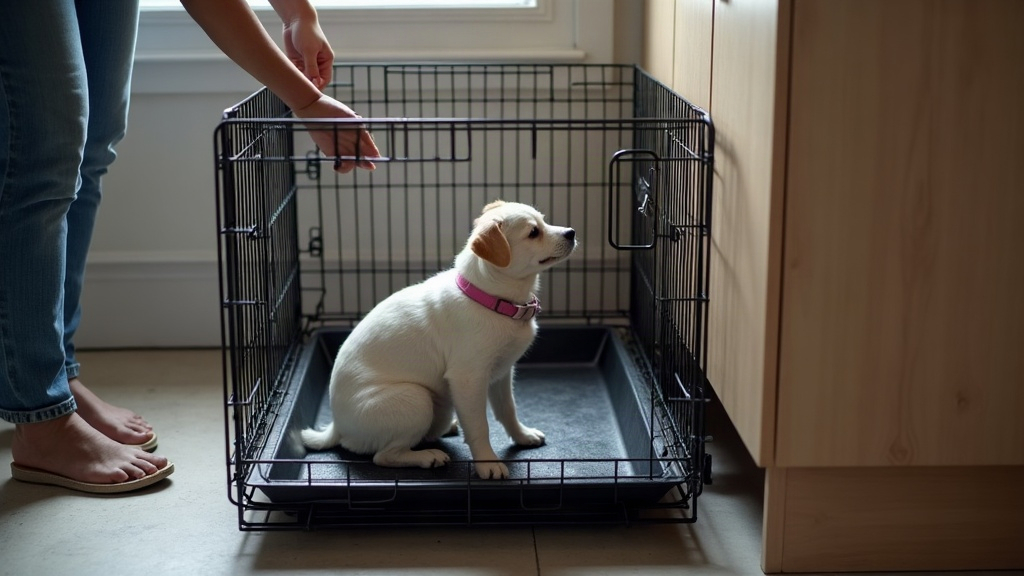
Preventing Tooth Fractures & Crate Biting Injuries: Safety Analysis
This site does not currently contain paid affiliate links; nothing on this page is a paid link today.
How we picked: This guide compares options using published
specifications, verified owner-review patterns and reputable expert testing.
We label clearly what is hands-on vs research-based, and never present others'
testing as our own.
Our top picks
| Rank | Product | Name | Why we picked it | Buy |
|---|---|---|---|---|
| Top pick |  | ProSelect Empire Ultra-Heavy Duty Steel Dog Cage | Coming soon | |
| Runner-up |  | LUCKUP 42/48 Inch Heavy Duty Strong Steel Dog Crate | Coming soon | |
| Also great |  | SMONTER Heavy Duty Anti-Escape Metal Dog Kennel | Coming soon |
📑 Table of contents
Editorial Note: This comprehensive guide on preventing tooth fractures and crate biting injuries has been prepared with insights from the Dog Crate Lab Canine Safety Desk. It aims to provide actionable information to enhance canine safety within crate environments.
Understanding Canine Jaw Mechanics and Biting Behavior
Canine jaw anatomy is uniquely designed to exert significant force, allowing dogs to chew and bite with considerable power. The primary components contributing to this force are the masseter muscles and the jaw joint (temporomandibular joint). When a dog bites down, the force can exceed 450 pounds of pressure per square inch, depending on the breed. This biomechanical capacity poses risks when dogs are confined in crates, particularly those with inappropriate design features.
Jaw Wedging: The Role of Bar Spacing
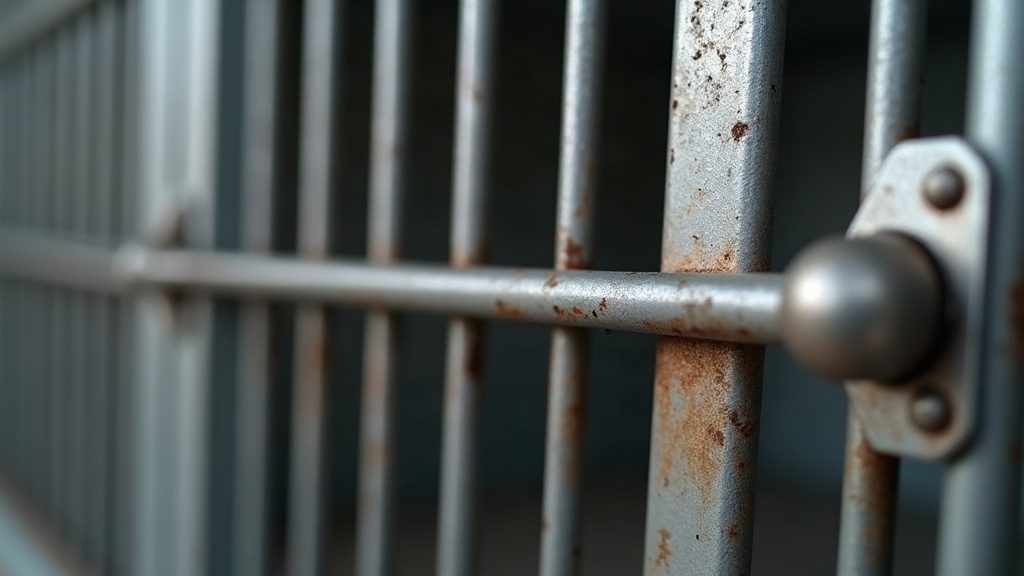
Jaw wedging occurs when a dog’s jaw gets caught between the bars of a crate. This is particularly pertinent in crates with wider spacing or thinner bars. When a dog’s teeth become lodged in these structures, the resulting leverage can lead to significant stress on the dental structures, potentially causing fractures or dislocations.
- Bar Spacing: Ideally, bar spacing should not exceed 2 inches. Wider spacing can allow dogs to manipulate their jaws into precarious positions, increasing the risk of injury.
- Material Thickness: Thinner bars (less than 0.25 inches) can bend or break under extreme pressure, further contributing to the potential for injury.

Crate Design: Materials and Structural Integrity
The choice of materials in crate construction is crucial for minimizing the risk of injuries. Steel is the preferred material due to its high tensile strength and durability, but variations exist in terms of design and structural integrity. This section discusses the critical specifications of crate materials and how they affect safety.
Specifications of Suitable Crate Materials
| Material | Tensile Strength (psi) | Recommended Thickness | Advantages | Disadvantages |
|---|---|---|---|---|
| Aluminum | 40,000 | 0.125 inches | Lightweight, resistant to corrosion | Less durable than steel |
| Mild Steel | 60,000 | 0.25 inches | High strength, cost-effective | Prone to rust without coating |
| Stainless Steel | 75,000 | 0.25 inches | Corrosion-resistant, high tensile strength | Heavier, more expensive |
Choosing the Right Crate: Flat Steel Tubing
Crates constructed with flat steel tubing offer a different profile than traditional round bars. Flat tubing provides a larger surface area for contact with the dog’s mouth, reducing the likelihood of jaw wedging. Moreover, the structural integrity of flat tubing means it can withstand greater force without bending, making it a safer option for aggressive chewers or larger breeds.
Evaluating Crate Safety Features
When selecting a crate, it is essential to evaluate safety features that mitigate risks associated with biting and jaw injuries. Several modern designs incorporate features specifically aimed at preventing tooth fractures.
Safety Features to Consider
- Rounded Edges: Crates with rounded edges reduce the risk of cuts and abrasions to the dog’s mouth.
- Non-Reflective Coatings: Some materials come with a non-reflective finish to prevent visual stimulation that could provoke biting behavior.
- Locking Mechanisms: Secure locking mechanisms prevent escape attempts that could lead to injuries during crate agitation.
The effectiveness of these features can be assessed based on user feedback and safety ratings from organizations such as the American Kennel Club (AKC).
Recommendations for Crate Use and Environment
Even with the safest crate design, proper usage and environmental factors play a significant role in preventing injuries.
Best Practices for Crate Usage
- Supervision: Always supervise your dog during the initial acclimation period to the crate.
- Training: Utilize positive reinforcement to encourage your dog to view the crate as a safe space, reducing anxiety-driven biting.
- Environment: Place the crate in a calm, quiet area to minimize stress and agitation.
Maintenance and Inspection
Regular inspection of the crate is vital. Check for any signs of wear, including bent bars or weakened joints, which could increase the risk of injuries. Replace any components that show signs of damage.
Interactive Tool: Calculate Crate Safety
For a personalized assessment of your dog’s crate safety, utilize our Crate Safety Calculator. This interactive tool provides insights based on your dog’s breed, size, and crate specifications.

Frequently Asked Questions
1. What are the signs of a tooth fracture in dogs?
Tooth fractures can manifest through various symptoms, including difficulty eating, drooling, pawing at the mouth, or noticeable pain when pressure is applied. If you suspect a fracture, consult a veterinarian promptly for evaluation and treatment options.
2. How can I prevent my dog from becoming anxious in a crate?
Preventing crate anxiety starts with proper introductions and training. Gradually acclimate your dog by allowing them to explore the crate with the door open and rewarding them for entering voluntarily. Short stays should be gradually increased, combined with positive reinforcement.
3. Are there specific breeds more prone to crate injuries?
Certain breeds, particularly those with strong jaws or a propensity for destructive behavior (e.g., Pit Bulls, Rottweilers), may be more susceptible to crate-related injuries. Selecting a crate with robust design features and ensuring proper training is essential for these breeds.
In conclusion, understanding the biomechanics of canine jaw mechanics, selecting the appropriate crate material, and following best practices can significantly mitigate the risk of tooth fractures and injuries. Always prioritize safety when choosing a crate for your canine companion.